

Effective ventilation in protective riding apparel is critical for rider comfort, safety, and performance. Ventilation refers to the systematic management of airflow through garment design to regulate temperature, manage moisture, and reduce heat stress during variable environmental conditions. In professional and recreational riding contexts, especially at higher speeds or in warmer climates, inadequate ventilation can impair rider focus, decrease physiological efficiency, and potentially increase risk.
This article examines the role of ventilation within protective motorcycle apparel, with a specific focus on tactical motorcycle vests designed for optimal airflow. It emphasizes thermoregulation principles, material science applications, and field‑tested strategies employed in industry‑leading designs such as the men tactical textile motorcycle riding vest and women tactical textile motorcycle riding vest. The analysis is grounded in practical performance considerations, industry terminology, and real‑world application.
The Fundamentals of Ventilation in Riding Gear
Thermoregulation and Riding Physiology
Motorcyclists expend metabolic energy that generates heat. During prolonged riding or in warm environments, the body must dissipate heat to maintain stable core temperature. Thermoregulation is the physiological process by which the body balances heat production and heat loss. In protective apparel, ventilation enhances thermoregulation by enabling convective and evaporative cooling through targeted airflow channels and moisture‑wicking fabrics.
Convective Cooling: Air moving across the skin removes heat via convection, which is especially effective when the motorcycle’s motion increases air velocity through garment vents.
Evaporative Cooling: Moisture management through breathable textiles that facilitate sweat evaporation reduces heat stress.
Key Terminology
- Air Permeability: A material’s ability to allow air to pass through its structure, often measured in cubic feet per minute (CFM).
- Mesh Panels: Open‑weave textile sections engineered to maximize airflow while maintaining structural integrity.
- Zonal Venting: Strategically placed vents (e.g., chest, back, underarms) that align with high heat‑generation areas.
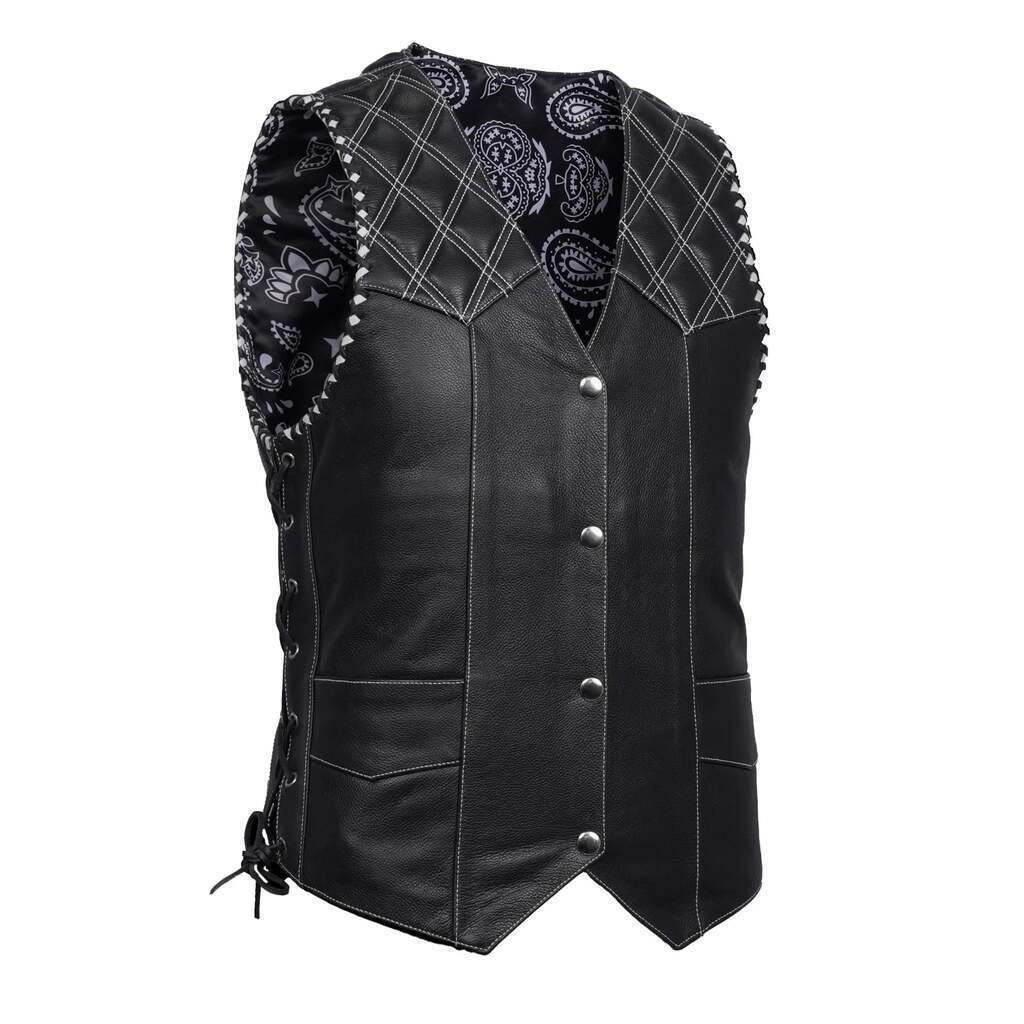
Ventilation Design in Tactical Riding Vests
Structural Considerations
Protective motorcycle vests integrate ventilation without compromising impact protection. Tactical textile motorcycle riding vests use a combination of robust exterior fabrics and engineered airflow architecture:
- Breathable Outer Shells: Durable textile layers with high air permeability support airflow without sacrificing abrasion resistance.
- Mesh Lining Systems: Full–length or segmented mesh substrates that channel air along the torso while providing a barrier between protective armor and the skin.
- Adjustable Vent Openings: Zip‑pered or snap‑integrated vents allow riders to modulate airflow based on speed and ambient conditions.
Practical Benefits of Effective Ventilation
Thermal Comfort and Endurance
Ventilated riding apparel significantly enhances comfort by reducing heat buildup. For riders on extended journeys, proper airflow correlates with decreased fatigue and sustained concentration. Research into heat stress among motorized sports indicates that maintaining thermal equilibrium can improve cognitive performance and reduce perceived exertion.
Moisture Management
In addition to temperature control, ventilation aids in evaporating sweat. Moisture buildup, if unchecked, can lead to skin irritation and chafing. High‑performance textiles guide sweat away from the skin and allow moisture to transition into the airflow currents created by vents.
Materials and Technologies
Textile Selection
Advanced riding vests rely on multi‑layer textile systems combining:
- High‑denier woven fabrics for abrasion resistance.
- Technical meshes with variable aperture sizes for controlled airflow.
- Hydrophilic inner liners that transport moisture outward.
Active vs. Passive Ventilation
- Passive Ventilation: Involves static features—mesh panels and vents—that rely on relative motion to induce airflow.
- Active Ventilation: Incorporates consumer‑controlled elements such as adjustable openings to increase or decrease ventilation on demand.
Expert Insights & Best Practices
Design Alignment with Rider Anatomy
Experienced designers align vent placement with regions of high metabolic heat production—upper chest, back, and underarms—to maximize convective airflow. This zonal strategy reflects ergonomic insights from industrial apparel engineering.
Integration with Protective Armor
High‑grade protective vests balance ventilation with impact protection by integrating CE‑rated armor inserts in ventilated pockets that do not obstruct airflow. Industry standards require that protective components maintain effectiveness despite added ventilation openings.
Field Validation
Professional riders and gear evaluators routinely assess ventilation effectiveness through ride trials across temperature gradients. Performance metrics often include skin surface temperature measurements and subjective comfort ratings correlated with airflow patterns.
Common Mistakes and Misconceptions
Over‑Ventilation Misconception
A frequent misunderstanding is that “more ventilation is always better.” Excessive or poorly placed vents can compromise structural stability and protective integrity. Effective ventilation targets zones where heat accumulates without weakening the garment’s protective envelope.
Ignoring Moisture Transfer
Another common error is undervaluing moisture‑wicking performance. Ventilation alone does not guarantee dryness; it must work in concert with materials that manage sweat transfer to the air stream.
Conclusion
Ventilation is a defining attribute of high‑performance protective riding apparel. Effective strategies combine ergonomic vent placement, advanced textile technologies, and adaptable design features that collectively manage heat and moisture without undermining safety. In both men tactical textile motorcycle riding vest and women tactical textile motorcycle riding vest, these principles manifest through mesh airflow architecture, adjustable ventilation, and materials engineered for comfort under stress. For riders seeking optimized comfort and protection across conditions, an informed approach to ventilation is indispensable and supported by professional design practices grounded in thermoregulation science and field‑verified performance.
FAQs
1. Why is ventilation important in motorcycle riding apparel?
Ventilation regulates body temperature, aids sweat evaporation, and reduces thermal stress, which enhances rider comfort and focus.
2. How do tactical vests differ from standard motorcycle jackets in ventilation design?
Tactical vests focus on maximizing airflow through mesh panels and adjustable vents while maintaining durability and protective capacity, often tailored for utility and modular functionality.
3. Are mesh panels effective at high speed?
Yes. At highway speeds, mesh panels significantly enhance convective cooling by allowing dynamic airflow through the garment.
4. Can ventilation compromise protective features?
If not engineered properly, oversized or misaligned vents can weaken structural strength. Quality designs integrate protective armor with ventilation without reducing impact resistance.
5. How should ventilation be adjusted in variable weather?
Riders should close adjustable vents in cold or rainy conditions to retain warmth and open them in hot conditions to maximize airflow.
6. Do tactical vests provide moisture management?
Yes. Advanced textile vests use hydrophilic liners and breathable fabrics that transport moisture outward to support evaporative cooling.
7. What is zonal venting?
Zonal venting refers to strategically placed vents aligned with areas prone to heat accumulation, such as the chest and back, to optimize cooling.